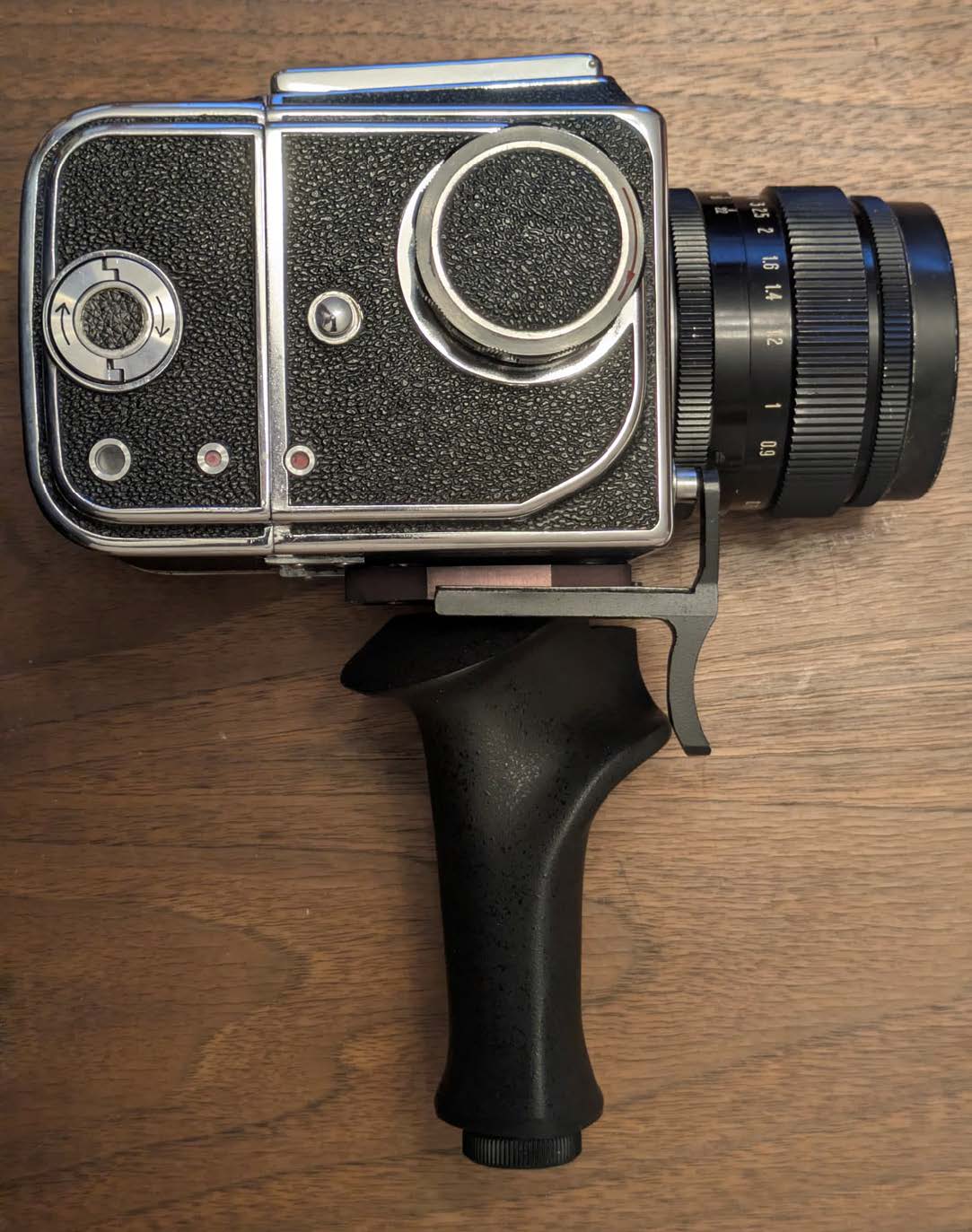
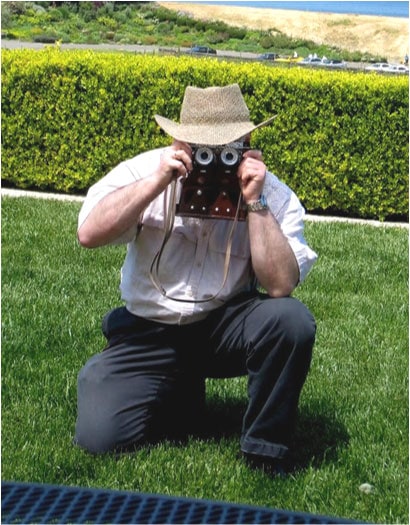
This talk by PHSNE member Vladimir Khazan has passed and will be available as a recording soon. The presentation will briefly describe the history of one of the oldest Soviet plants in Kiev (then under Soviet rule) and the line of Soviet modular medium format SLR cameras. Zoom details will be available the week of the presentation—sign up here to receive updates.
The Salut S was one of the medium format Soviet cameras produced in the early 1970s by the Arsenal Factory in Kiev. It represented a significant milestone in the country’s photographic industry. Engineers adopted similar modular concepts featuring interchangeable lenses, viewfinders, and film magazines from the Swedish Hasselblad 1600F and 1000F cameras. Although the external resemblance was unmistakable, the Salut S was not a direct copy. Soviet designers modified numerous internal mechanisms, creating a camera suited to local manufacturing methods and available materials.
The Salut S used 120 roll film, producing twelve 6×6 centimeter negatives per roll. This larger image format delivered exceptional detail and tonal range compared with standard 35 mm cameras, making it popular among portrait, landscape, studio, and scientific photographers. The camera featured a waistlevel finder as standard, while optional prism finders allowed eye-level shooting. Interchangeable film backs enabled photographers to preload different film types and switch between them as necessary.
One of the camera’s most recognizable features was its standard Volna-3 80mm f/2.8 lens, known for producing sharp images with pleasing contrast. Arsenal also manufactured a growing range of compatible telephoto and wide-angle lenses.
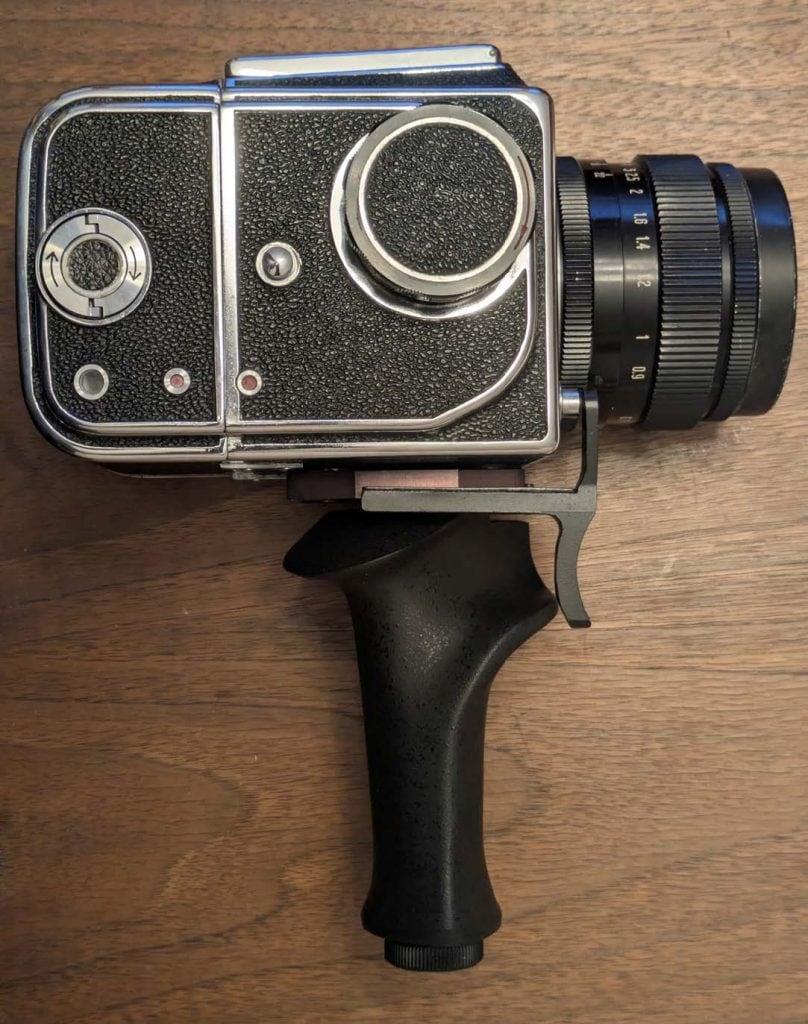
The Salut S gained a good reputation throughout the Soviet Union and other countries. It was widely used by professionals, advanced amateurs, universities, and government institutions. Its rugged construction allowed it to withstand demanding environments, but its weight made handheld photography more difficult than with smaller cameras.
Today, the Salut S is appreciated by collectors and film photography enthusiasts who value its historical significance, distinctive engineering, and unique character. The camera remains a fascinating example of Soviet industrial design and an enduring symbol of the USSR’s effort to create professional photographic equipment capable of standing alongside respected Western systems.
Vladimir Khazan is a mechanical manufacturing engineer by profession, but photography has been an important part of his life since he was 12 years old. His father introduced him to photography and taught him the basics of using a camera and darkroom techniques. He feels each camera has its own story and represents a small piece of photographic history, especially in understanding how these beautiful mechanical instruments work.
What the heck…
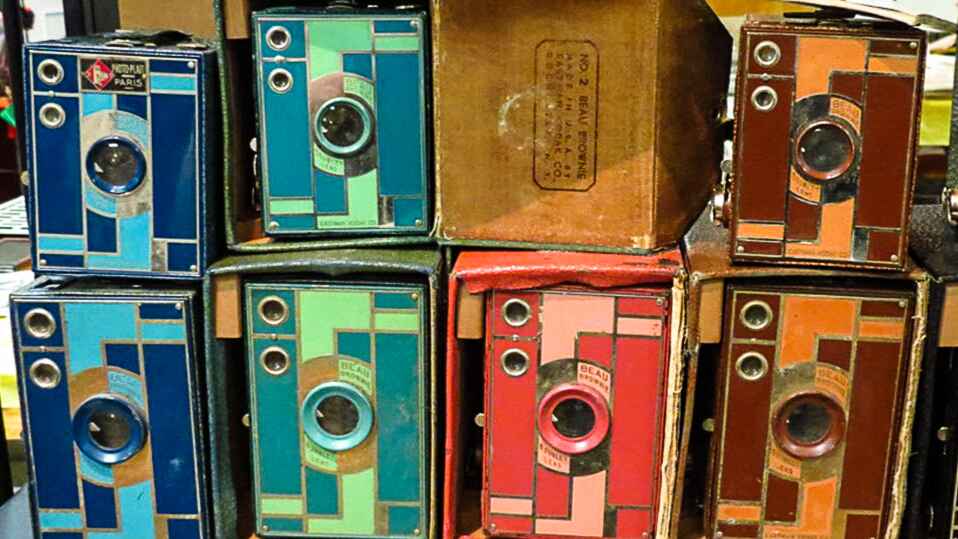
Are Those Even Cameras?!
Join the PHSNE Newsletter and learn more about photographic history and preservation. Already an expert? Come and share your collections and knowledge as we celebrate the history and advancement of photography.